
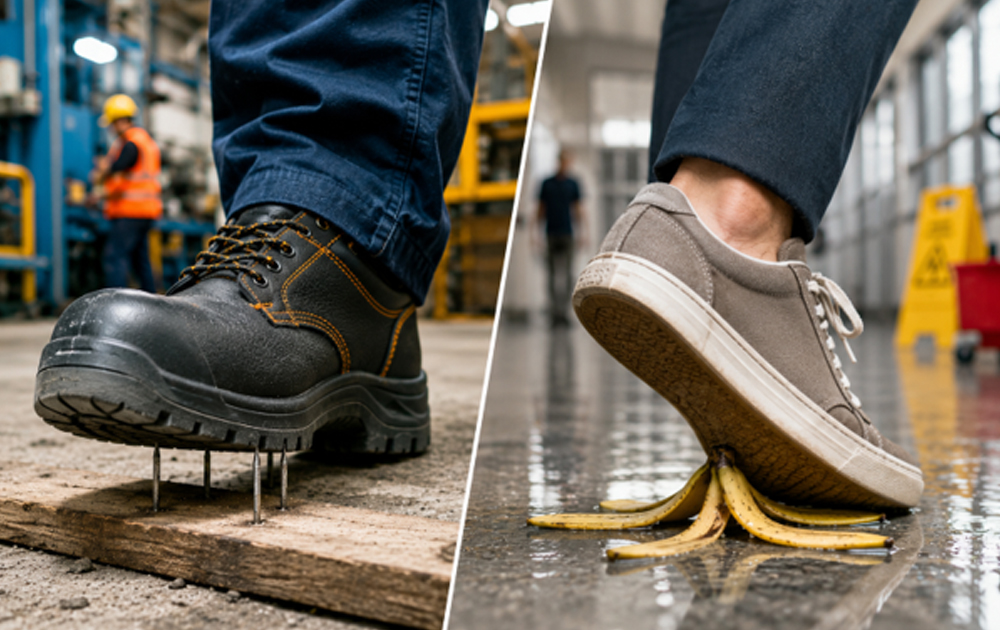
Many aspects of safety influence workpace. That depends on many factors and the proper protective equipment is an important part of injury prevention. Footwear is one of the most important safety requirements for employees working in hazardous environments, but it is often overlooked among essential personal protective equipment (PPE).
While it is an extremely important type of PPE for any worker working in dangerous conditions, footgear is not always noticed. Workers often spend many hours on their feet, walking and performing duties in places with possible heavy objects, sharp objects, slippery floors, chemicals, etc. While regular footwear is very comfortable, it does not provide any protection in terms of workplace hazards.
That is why companies go to a trusted safety shoes supplier in Qatar to get certified equipment of high quality. Knowing the specifics of safety shoes and regular footwear helps managers determine the right option for their employees. Understand safety shoes vs. regular shoes and why industries need protective footwear. House of Uniform supplies quality safety shoes in Qatar for safer workplaces.
Safety Shoes vs Regular Shoes: Understanding the Difference
At first glance, safety shoes and regular shoes may look similar, but their purpose and construction are completely different.
Regular shoes are mainly designed for:
- Daily walking
- Casual activities
- General comfort
- Fashion and lifestyle use
Safety shoes are specially engineered for workplace environments and include protective features such as:
- Reinforced toe protection
- Slip-resistant soles
- Puncture-resistant layers
- Heat-resistant materials
- Electrical hazard protection
- Stronger construction
For industries where employees face daily risks, choosing professional safety footwear is essential.
Why Regular Shoes Are Not Suitable for Industrial Work
Standard shoes do not offer the protection necessary in tough working conditions. An average shoe does not help the worker in the case of:.
Falling Objects
Places like construction sites, factories, or warehouses involve heavy machinery, tools, and goods. Ordinary shoes don’t protect from a fall, except for safety shoes with reinforced toes.
Sharp Objects
Some work areas have nails, sharp pieces of metal, or broken machinery. Normal shoes have soles that can get damaged or pierced. Safety footwear has special soles that do not allow for puncturing.
Slippery Surfaces
Oil, water, various chemicals, and other liquids make a workplace dangerous. Ordinary footwear often does not have enough grip. Safety footwear is created with slip-resistant soles.
Workplace Heat and Chemicals
Some industries are associated with heat, fire, or chemicals in the air. Protective footwear is made of special materials that help resist the environment.
Key Features That Make Safety Shoes Different
A professional safety shoe supplier in Qatar provides customers with specially designed footwear that stands out with its special features.
1. Protective Toe Caps
The toe cap is one of the important parts of safety shoe design. Types include:
Steel Toe Caps
Steel-toe safety shoes provide strong impact protection and are commonly used in:
- Construction
- Manufacturing
- Warehouses
- Industrial facilities
Composite Toe Caps
Composite materials are lighter than steel-based materials but offer safety. They are appropriate for those who work for long periods in comfort and with less weight.
2. Slip-Resistant Outsoles
A good grip is important in places where the surfaces might be wet, oily, or uneven. Certain industries, like hospitality, kitchens, factories, and maintenance services, need to have slip-proof shoes. Slip-resistant safety shoes help workers:
- Walk safely
- Maintain balance
- Reduce fall risks
- Work confidently
3. Puncture Protection
Safety shoes with puncture-proof materials protect from sharp issues. This feature is especially important for:
- Construction workers
- Maintenance teams
- Warehouse employees
- Industrial workers
4. Enhanced Durability
Safety footwear is manufactured using stronger materials compared to ordinary shoes.
Benefits include:
- Longer lifespan
- Better workplace performance
- Resistance to harsh conditions
- Reduced replacement frequency
5. Improved Comfort for Long Working Hours
Modern safety shoes combine protection with comfort. Quality safety footwear includes:
- Cushioning support
- Breathable materials
- Proper foot support
- Comfortable fitting
Comfortable workers are more productive and less likely to avoid wearing protective equipment.
Industries That Require Safety Shoes in Qatar
Different industries across Qatar depend on protective footwear to maintain workplace safety standards.
Construction Industry
Construction workers face risks from:
- Heavy equipment
- Falling materials
- Sharp objects
- Uneven surfaces
Safety boots and industrial safety shoes provide essential protection on construction sites.
Oil and Gas Sector
The oil and gas industry requires high levels of workplace safety due to challenging environments. Workers often need footwear with:
- Heat resistance
- Slip resistance
- Durable construction
- Protective features
Manufacturing Facilities
Factories are involved with machines, tools, and heavy materials. Safety shoes protect workers in case of accidents at work. They also help them become more confident in what they do.
Warehouses and Logistics
Workers in warehouses deal with heavy loads and different types of equipment. Safety shoes help to lower the risk of the following:
- Dropping something heavy
- Moving machines
- Working for long hours
Hospitality and Food Industry
Safety shoes are significant in the restaurant and hotel business too. Safety shoes should have anti-slip characteristics.
Benefits of Choosing Safety Shoes Over Regular Shoes
Having decent safety shoes brings advantages to companies and their employees.
Better Employee Protection
Safety shoes help the workers avoid foot injuries connected with workplace hazards.
Improved Workplace Compliance
Many industries require employees to wear appropriate PPE as part of workplace safety regulations. Providing certified footwear supports a stronger safety culture.
Increased Employee Confidence
Workers perform better when they know they are protected. Proper safety shoes allow employees to focus on their tasks without worrying about common hazards.
Lower Long-Term Costs
While safety shoes may have a higher initial cost compared to regular footwear, durable protective shoes often provide better value through longer use and reduced injury risks.
How to Choose the Right Safety Shoes for Your Workplace
Selecting the correct footwear depends on the nature of the job. Before purchasing, consider:
Workplace Environment
Identify possible risks such as:
- Heavy objects
- Slippery floors
- Sharp materials
- Electrical hazards
- Heat exposure
Comfort Requirements
Employees may wear safety shoes for many hours, so proper fitting is important.
Check:
- Shoe size
- Width
- Cushioning
- Breathability
- Weight
Safety Standards
Choose products from a reliable safety footwear supplier in Qatar that provides quality-tested and suitable protective footwear.
Industry Requirements
Different jobs require different protection levels. For example:
- Construction workers may require steel-toe boots.
- Kitchen workers may need slip-resistant shoes.
- Industrial workers may need heavy-duty protective footwear.
Why Businesses Should Partner with a Trusted Safety Shoes Supplier in Qatar
A reliable supplier helps businesses access the right products for their workforce. Professional suppliers provide:
- Wide range of safety footwear
- Industry-specific recommendations
- Quality assurance
- Bulk supply options
- Reliable customer support
Choosing the right supplier ensures employees receive footwear that offers both protection and comfort.
Conclusion
The distinction between safety boots and normal shoes lies not just in their design but also in their safety, efficiency, and ability to keep the workplace safe. While common shoes may be good for day-to-day activities, protective footwear is created particularly to help ensure the safety of employees in workplaces. By partnering with House of Uniform, companies can provide their teams with durable, comfortable, and reliable footwear designed for demanding work environments. Safety starts from the ground up—choose the right footwear to protect your workforce.